
In today’s hybrid workplace, technology plays a defining role in how space is experienced. Yet too often, AV and collaboration tools are introduced late in the planning process, treated as add-ons rather than essential infrastructure. The result is familiar: underused rooms, frustrated users, and support teams stretched thin.
The reality is simple: if technology doesn’t work seamlessly, people won’t use the space as intended.
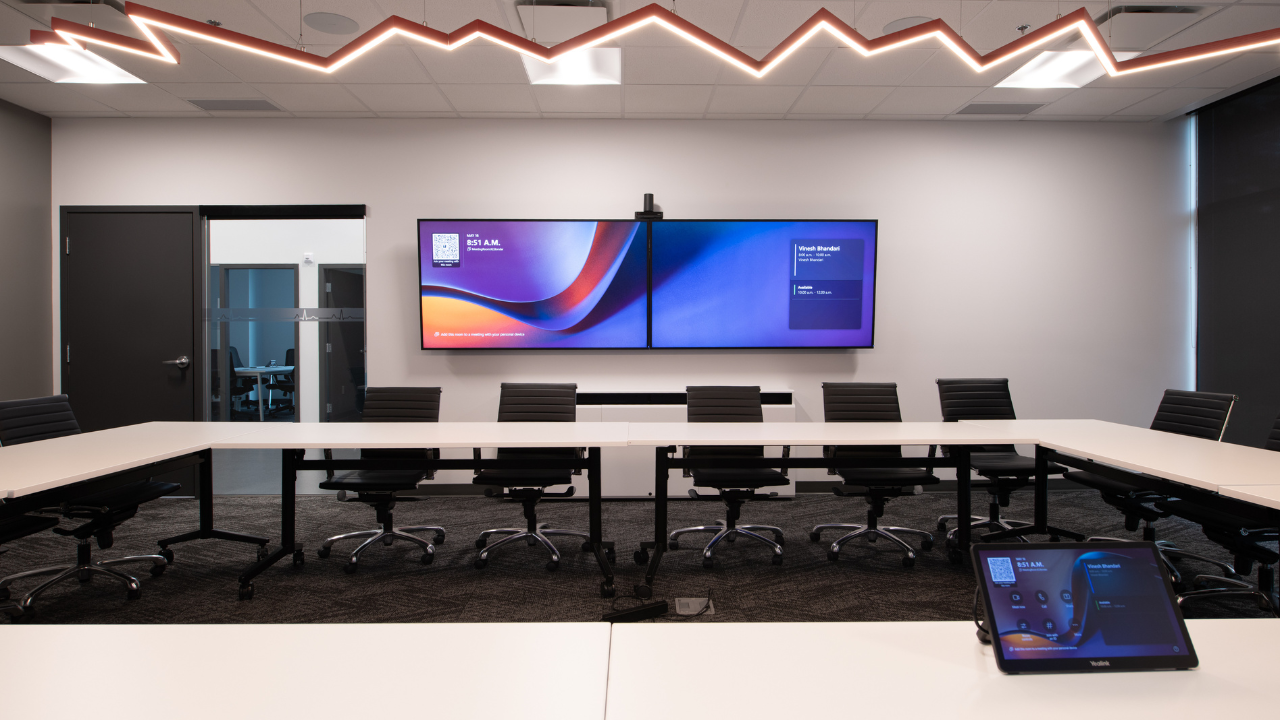
Why Technology Can’t Be an Afterthought
Workplace technology directly influences how spaces function. Room size, furniture layout, acoustics, and privacy are all impacted by how meetings happen, especially in video-first environments. As hybrid work has evolved, organizations have shifted toward:
- Smaller, more flexible meeting rooms
- Multi-purpose collaboration spaces
- Increased reliance on video conferencing
“I think technology can be an afterthought,” said Brett Ryder, President of Evolution AV, a Canadian commercial and enterprise audio-visual integrator. “Our design team really likes to get involved early and we try to be really helpful in asking some questions about how this space is going to be used. If you tackle [the technology requirements] early in the planning, we can provide a lot of information that makes things easier for everyone.”
The Rise of User Experience as a Priority
Today’s workplace users expect the same simplicity from meeting rooms that they experience in their personal technology. Complicated controls and inconsistent setups create hesitation, and hesitation leads to underutilization.
“What we learned through our experience [integrating technology in the workplace] was make it super easy. Make it something that everyone in our office space can use very comfortably, and make it consistent throughout all the locations,” said Mike Meyer, Senior VP of Heritage Office Furnishings, “so once you learn it once, you’re an expert.”
When users know what to expect, anxiety disappears. Meetings start on time. Support requests decrease. Spaces get used more frequently and more effectively.
This is particularly important for IT and Facilities teams, who are often responsible for maintaining performance across multiple locations. Consistency reduces complexity and makes long-term support more manageable.
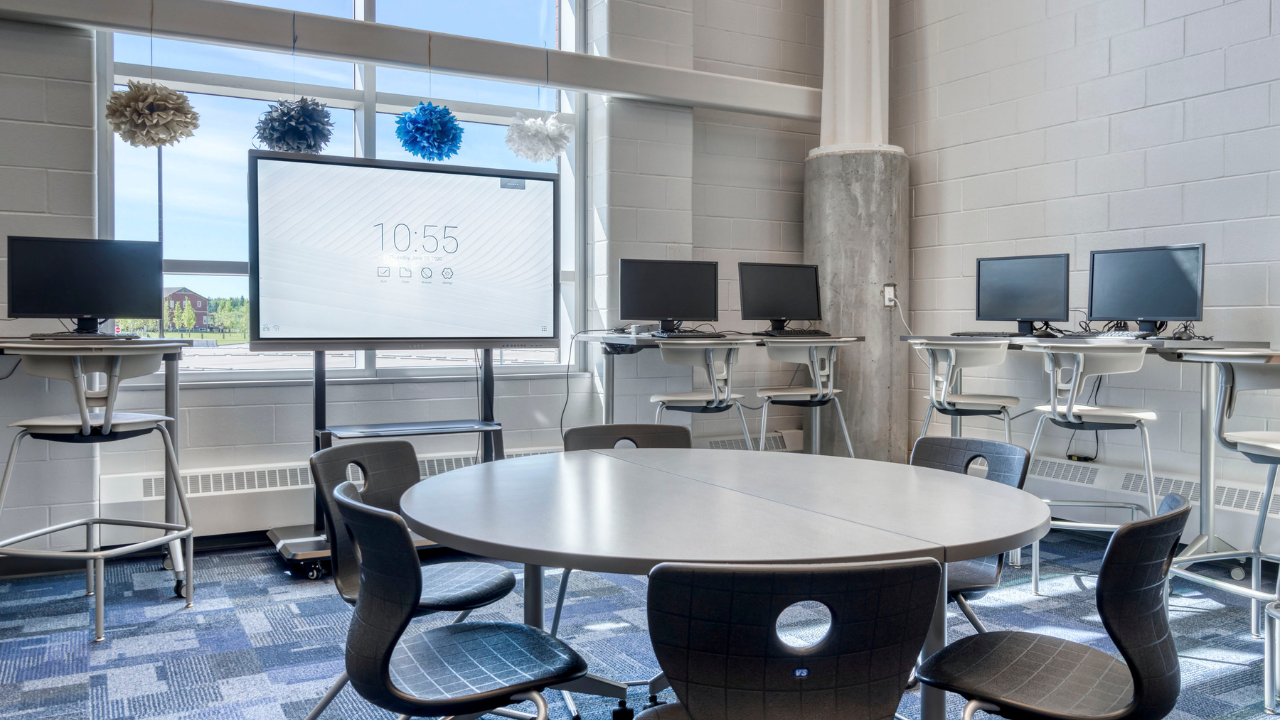
Invisible Technology Creates Better Experiences
The most successful workplace technology often goes unnoticed. Integrated displays, thoughtfully placed microphones, sound masking, and digital signage all contribute to environments that feel intuitive rather than technical.
“When you’re working in the office space and in a meeting space, the most important thing is that things work,” said Ryder. “We try to be as thoughtful as we can. Not only about what’s going in the room and the functionality that it’s going to have, but how somebody’s going to use that room. And making sure that it’s really accessible and easy to use when somebody walks into the room and wants to meet.”
“Invisible” doesn’t mean unimportant, it means intentional. Technology that fits seamlessly into the background allows people to focus on collaboration, learning, and decision-making without distraction. Reliability is a key part of this equation. Fancy tech is only valuable if it performs consistently in real-world conditions.
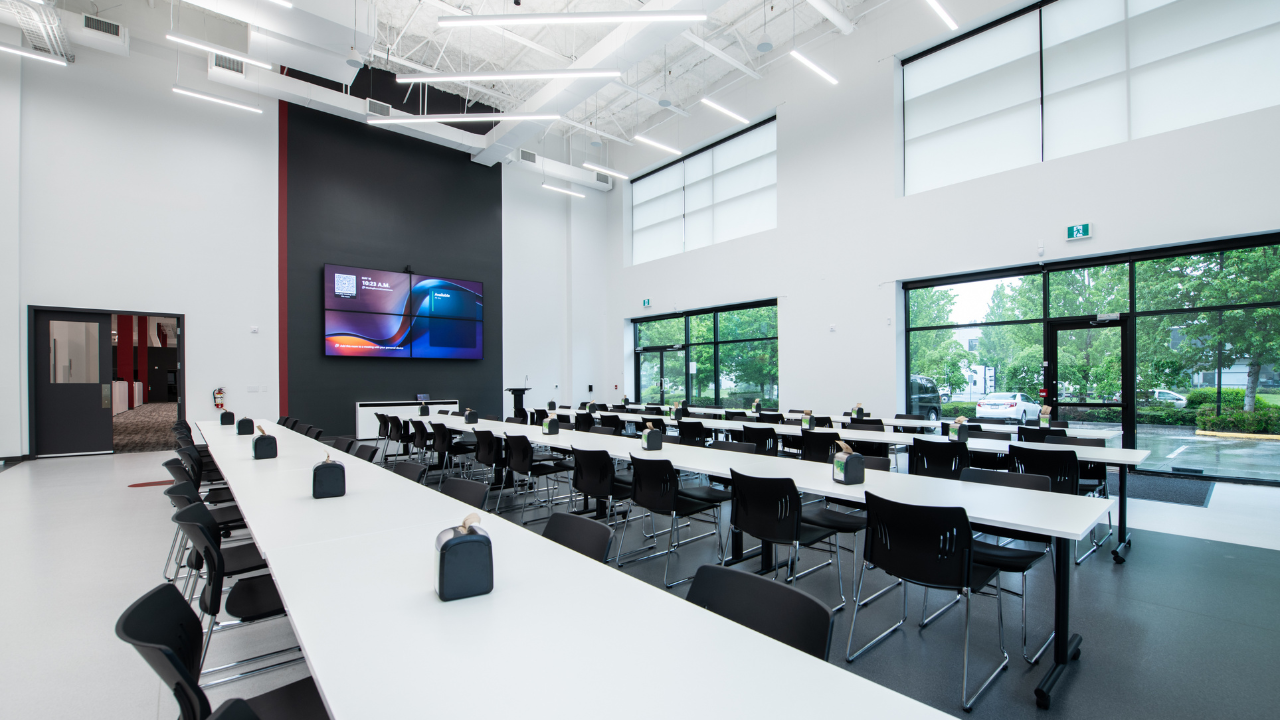
Reliability Over Novelty
With so many platforms and tools available, it can be tempting to chase the latest innovation. However, long-term success often comes from choosing proven solutions that align with how teams already work.
Standardized conferencing platforms, intuitive controls, and dependable infrastructure create environments where technology supports productivity instead of complicating it. Behind the scenes, advancements like AI can improve performance and planning without adding complexity for users.
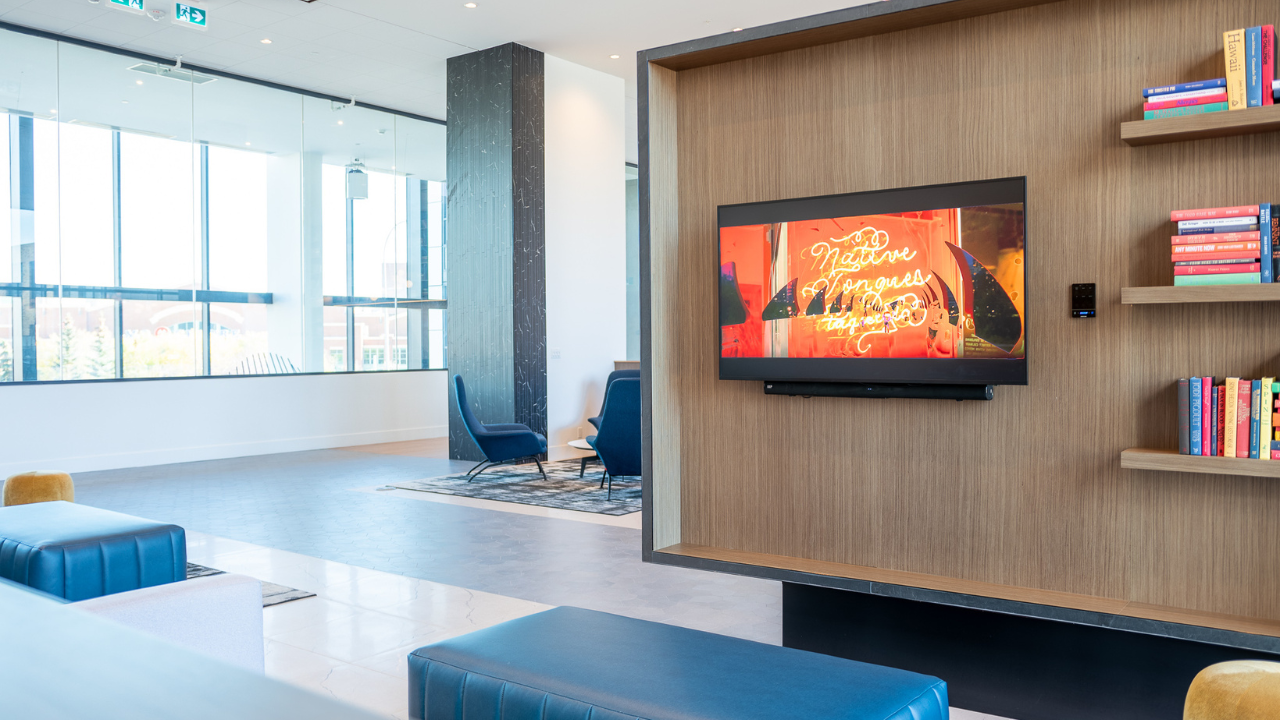
A More Human-Centered Future
As organizations continue to adapt their workplaces, the role of technology will only grow more important. The most effective strategies will prioritize people first: their comfort, confidence, and ability to connect.
For IT and Facilities leaders, this means moving beyond equipment selection to become partners in experience design. When technology, space, and strategy are aligned, workplaces become more flexible, resilient, and engaging for everyone who uses them.
Designing effective workplaces requires more than furniture or technology alone. Through our collaboration with Evolution AV, Heritage Office Furnishings helps organizations integrate workspace design and AV strategy from the start. Get in touch with our team to learn how we can support your next workplace project.