
Today’s world of work is hyperconnected, fluid, and no longer defined by a fixed location. Teams collaborate across offices, cities, and time zones, often within the same meeting. In this environment, the workplace must do more than provide a space with desks and meeting rooms. It must actively support and facilitate connection, focus, and an elevated experience.
At the center of this evolution is technology.
For many organizations, technology has historically been treated as an afterthought, secondary to space design. Today, it has become the backbone of how work happens. When technology is thoughtfully integrated, it allows people to collaborate seamlessly, communicate confidently, and show up fully, regardless of whether they are in the office or joining remotely.
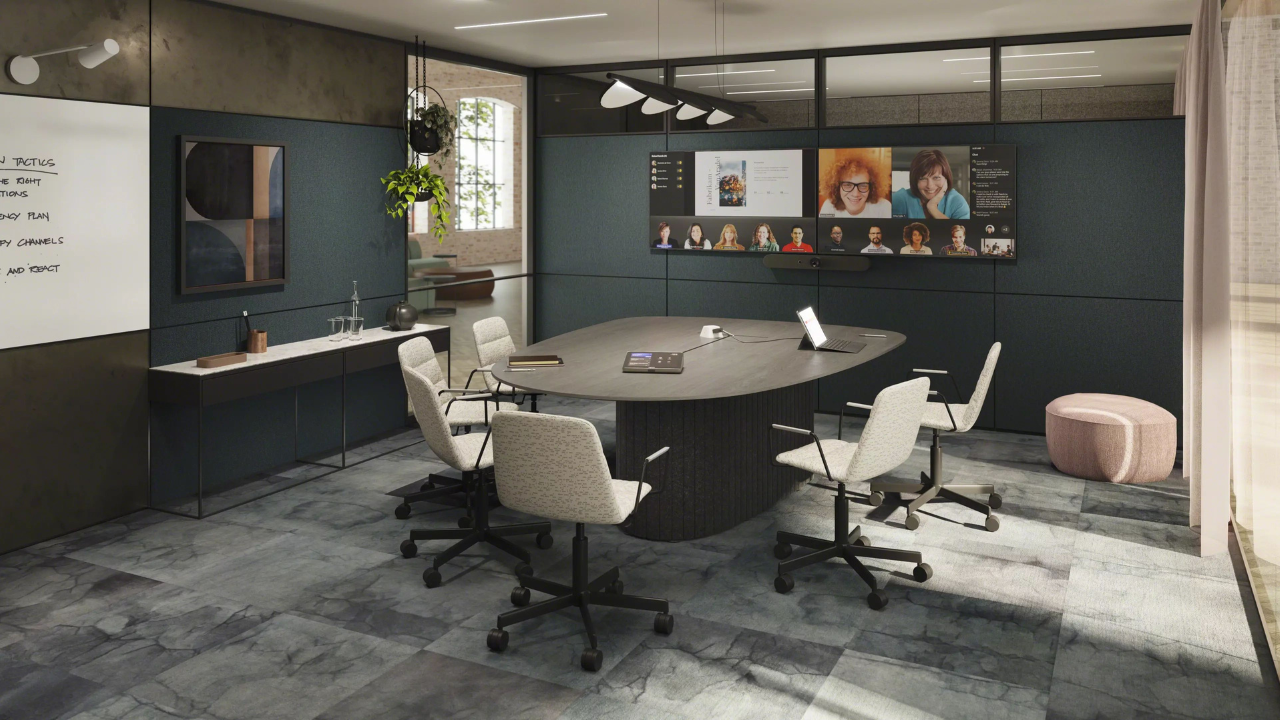
From Background Feature to Core Infrastructure
Hybrid work has fundamentally changed expectations. Meetings are no longer in-room events with a remote add-on; rather, they are shared experiences that need to feel equitable for each participant. That shift requires a new way of thinking about workplace design, viewing furniture, space, and technology as a single ecosystem.
When technology is treated as an afterthought, organizations often experience frustration: rooms that don’t get used, meetings derailed by technical issues, and employees who hesitate to book collaborative spaces because they’re unsure whether the technology will work. Conversely, when technology is prioritized early and aligned with how people actually work, it becomes an enabler rather than a barrier.
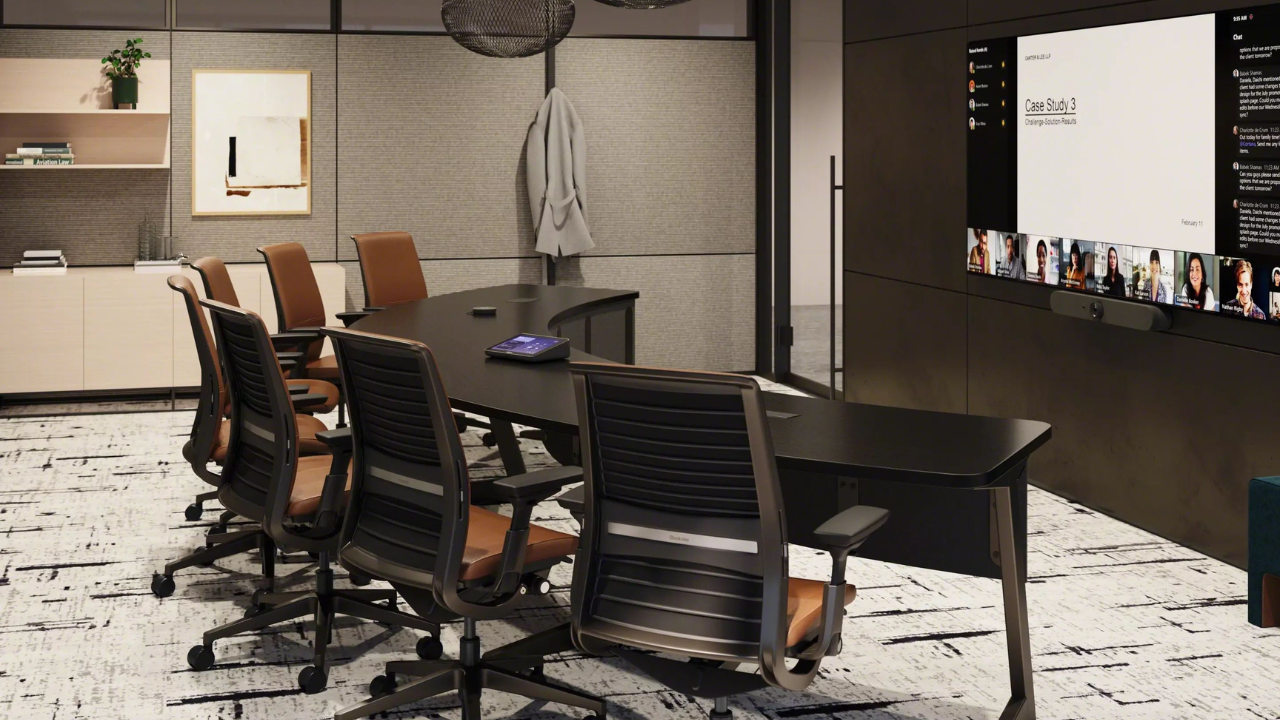
Why Ease and Consistency Matter
One of the most important measures of successful workplace technology is confidence. When employees walk into a meeting room, they should feel confident that the space will support them, not distract them.
That confidence comes from:
- Ease of use: intuitive interfaces that don’t require training or troubleshooting
- Consistency: similar experiences across rooms and locations
- Reliability: technology that works when it’s needed, every time
When meetings are easy to start and simple to run, people can focus on the topics at hand rather than how to use the technology to facilitate conversation. This has a tangible impact on productivity, engagement, and even attendance. Employees are far more likely to use collaborative spaces when they trust the experience.
This is where strong alignment between workplace strategy and AV expertise becomes critical. Technology should feel comfortable and familiar, blending into the background while seamlessly supporting connection.
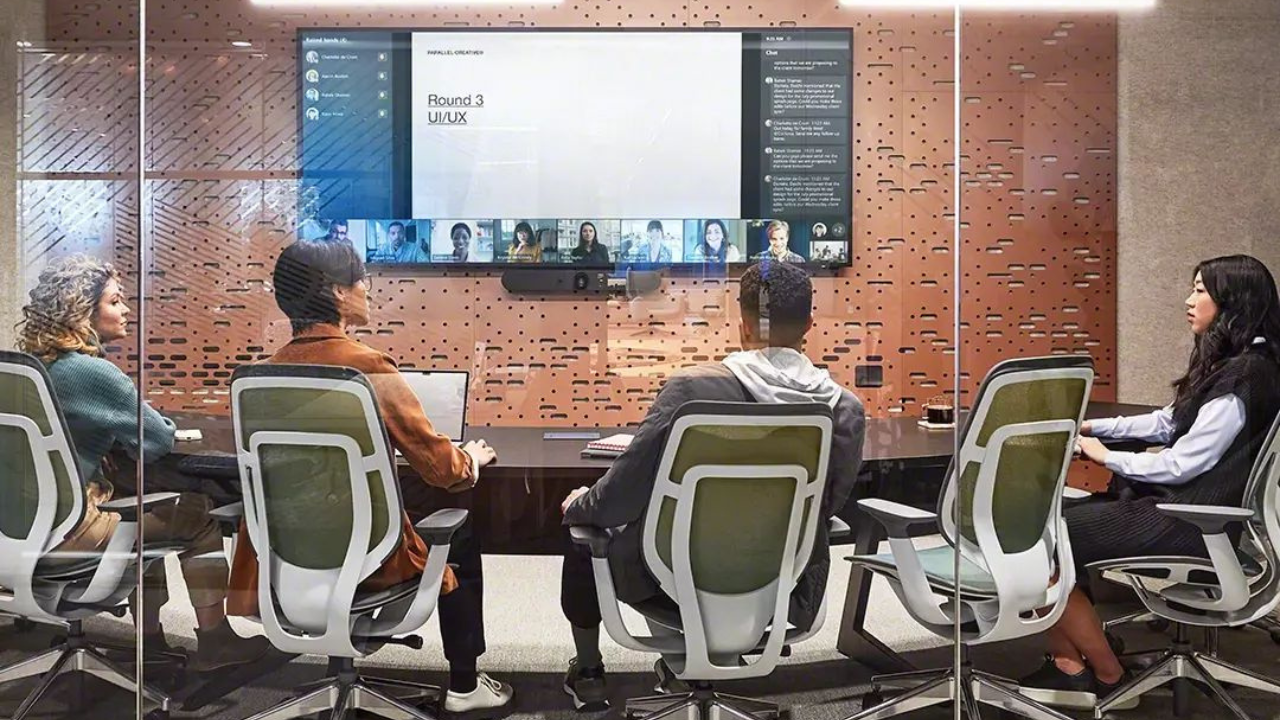
The Importance of Early, Holistic Planning
One of the most common mistakes organizations make is waiting too long to have meaningful conversations about technology. Decisions about AV, platforms, and infrastructure are often made after furniture layouts are finalized, limiting flexibility and increasing costs.
A more effective approach starts with discovery:
- Who is using the space?
- How are teams collaborating?
- Which platforms are core to daily work?
- What level of technological comfort exists across users?
By asking these questions early, organizations can design spaces that truly support their people, for today and for the future. Technology decisions made in isolation rarely deliver the same results as those made collaboratively with space, culture, and experience in mind.
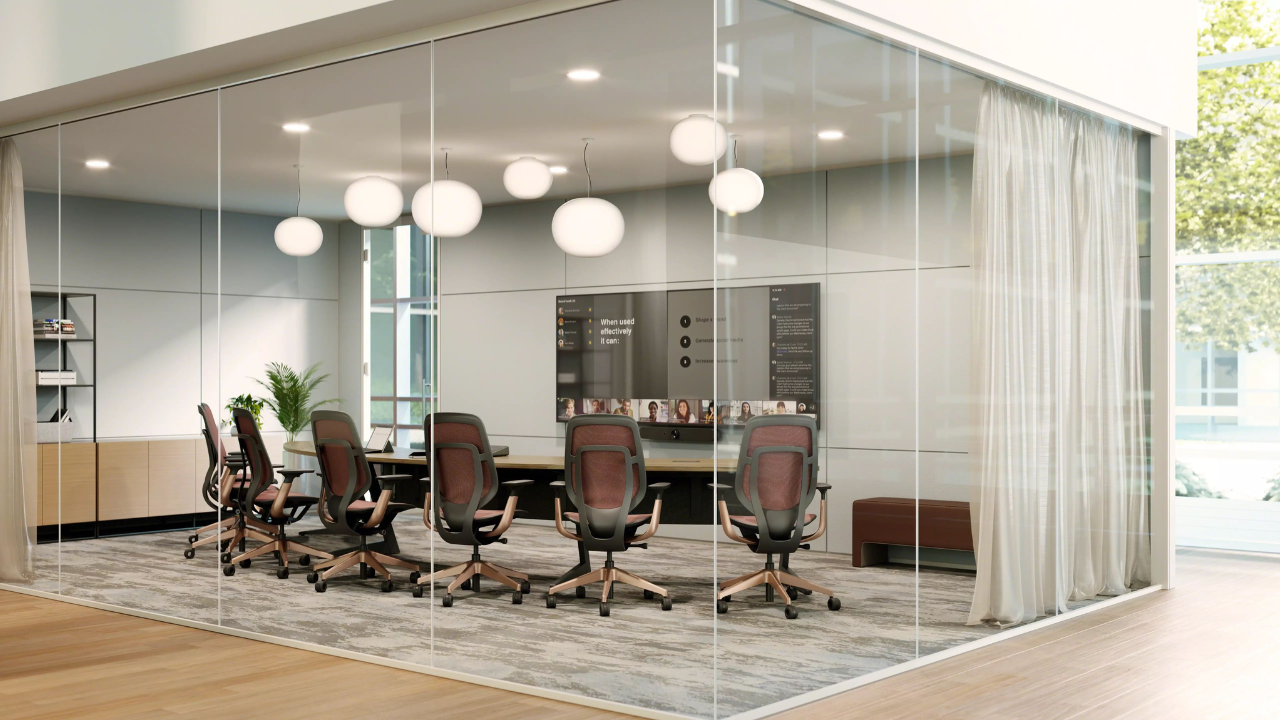
Looking Ahead: Intentional, Human-Centered Technology
As technology continues to evolve, the most successful workplaces will be those that remain intentional. Artificial intelligence is rapidly expanding capabilities behind the scenes, improving efficiency, supporting planning, and enhancing user experience.
AI will have a profound impact on all the ways people work throughout the day. Most current workplaces are not designed to support these new ways of working, which is likely why 78% of leaders agree AI will cause them to redesign offices in the next 3-5 years. Organizations can benefit from working with partners that understand how to seamlessly integrate technology and the physical environment to design a better human experience.
In the modern workplace, technology is no longer optional or secondary. It is a core component of how organizations connect, collaborate, and grow. When thoughtfully integrated, it empowers people to do their best work together.
Designing effective workplaces requires more than furniture or technology alone. Through our collaboration with Evolution AV, Heritage Office Furnishings helps organizations integrate workspace design and AV strategy from the start. Get in touch with our team to learn how we can support your next workplace project.